Real results from strategic YouTube channel optimization
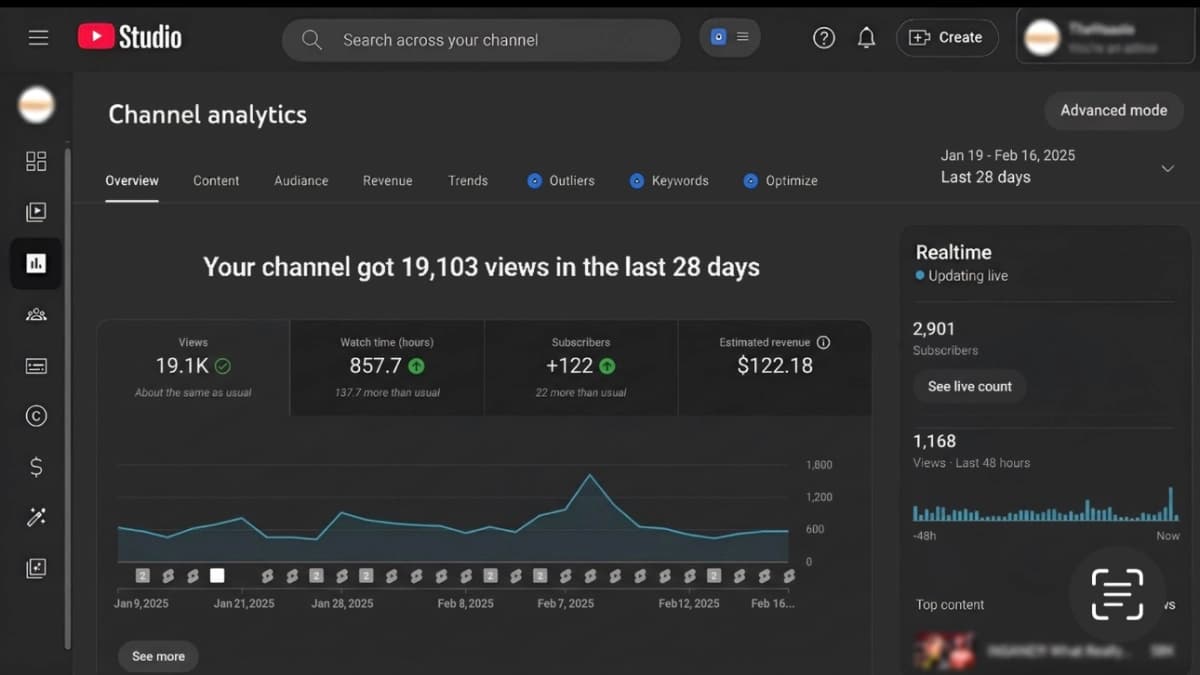
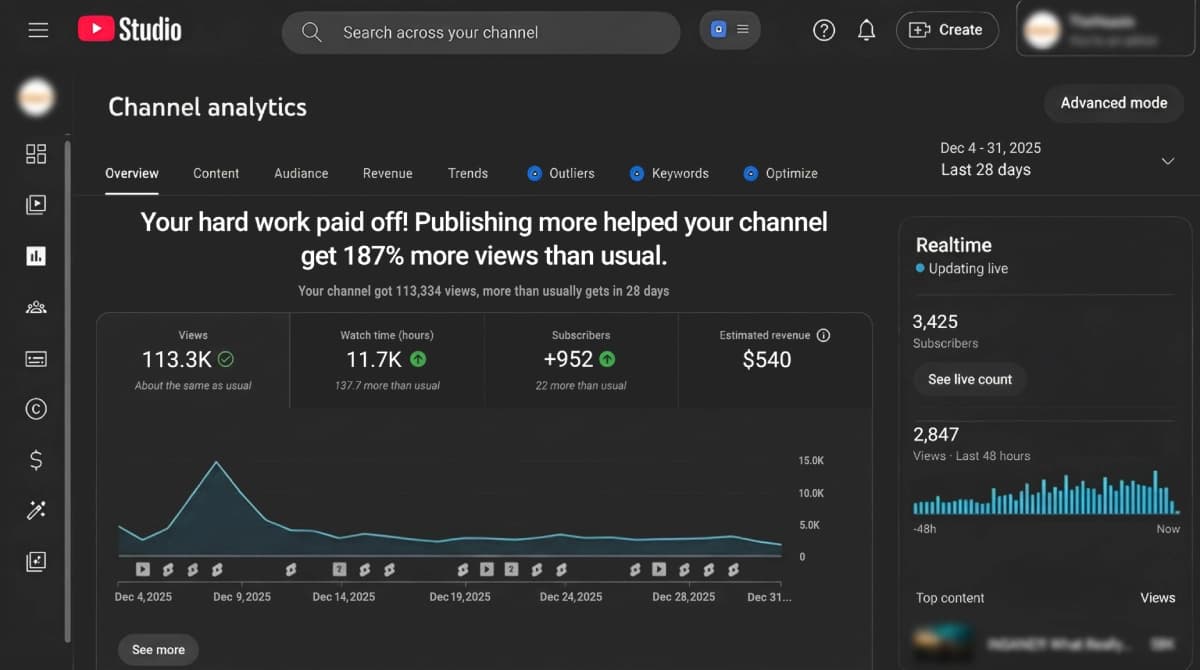
Over the optimization period, the focus was on increasing both discovery and conversion. Shorts were used as the primary traffic engine, with a consistent publishing routine built around the most engaging moments from the channel's content. These Shorts were structured to hook viewers quickly and guide them toward longer videos. At the same time, the thumbnails on the main videos were systematically improved to increase click-through rate once new viewers reached the channel. This combination of steady Shorts distribution and higher-converting thumbnails led to a significant increase in total views, watch time, and subscriber growth.
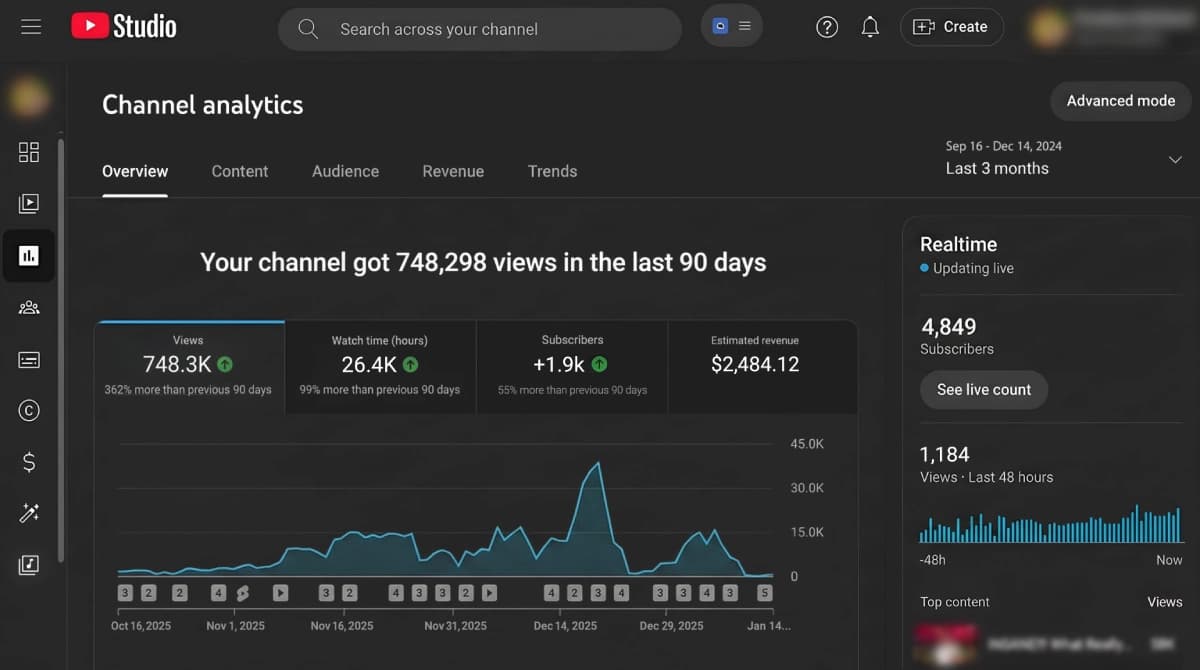
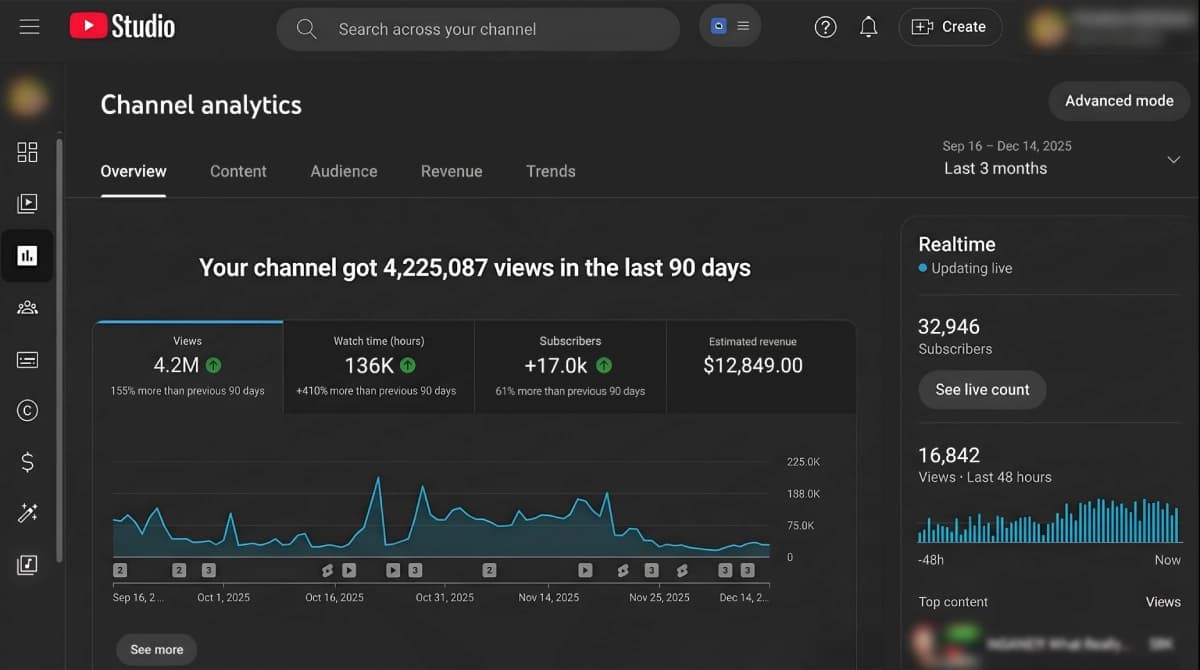
We focused reaching maximum Shorts velocity and keyword-aligned packaging. High-impression Shorts were used as top-of-funnel tests to surface topics with strong viewer response signals, then those winners were expanded into long-form videos optimized for higher browse and suggested CTR. Titles and metadata were restructured around intent-matched keyword clusters to improve recommendation accuracy, while internal linking between Shorts and long-form created a compounding session-time flywheel. As session duration increased, the channel began receiving stronger distribution in browse and suggested feeds, resulting in higher watch time, faster subscriber growth, and a sustained uplift in overall channel velocity.
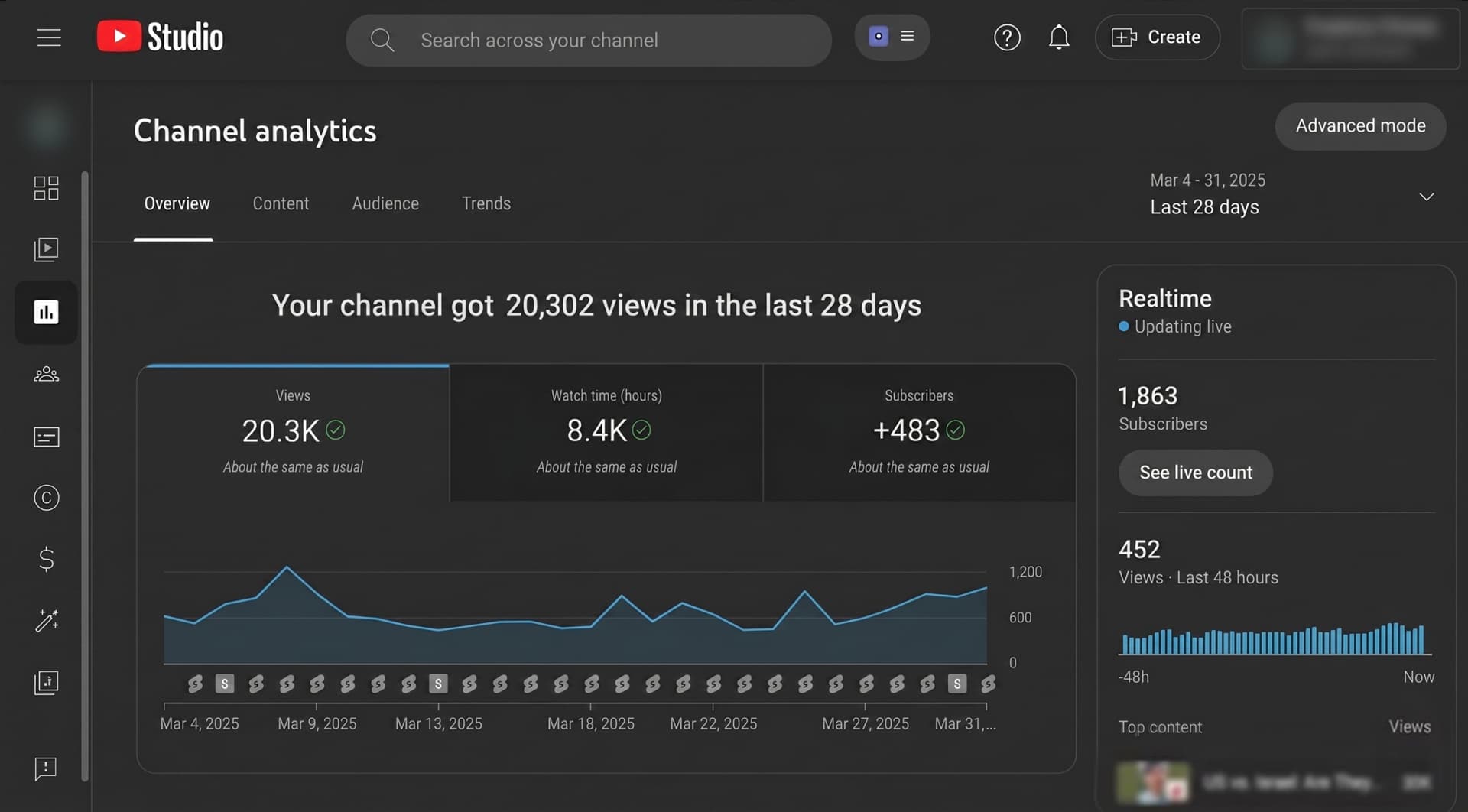
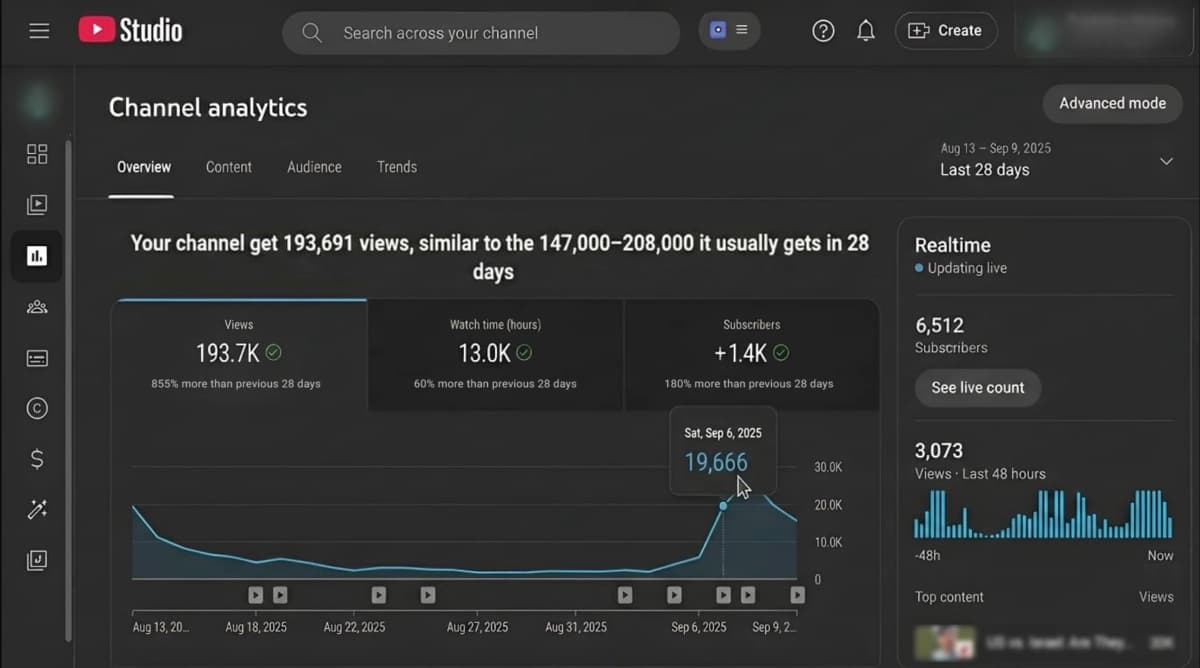
The growth came from a layered optimization strategy focused on CTR and early retention signals. We ran iterative thumbnail and title tests to align each video with high-intent keyword clusters, improving initial click-through. At the same time, we built a Shorts-to-long-form funnel to drive consistent traffic and trigger a recommendation flywheel. Finally, we tightened the first 15–30 seconds of each video to strengthen the hook, reduce early drop-off, and stabilize retention curves, leading to higher impressions and faster subscriber growth.